
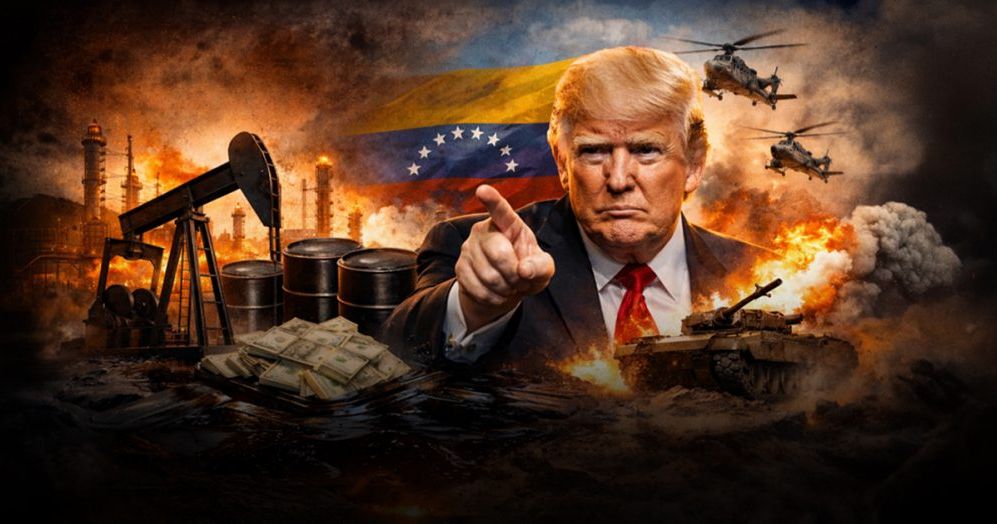
Venezuela oil reserves are the largest in the world at over 300 billion barrels — yet the country produces barely 1 million barrels per day. With U.S. military action reshaping the geopolitical landscape, Venezuela oil reserves could become the most consequential energy story of 2026, affecting everything from crude prices to refinery margins.
Understanding Venezuela’s Oil Industry After U.S. Military Intervention
Following Saturday’s U.S. military operation that resulted in the capture of Venezuelan President Nicolás Maduro and his wife, President Trump announced ambitious plans to reconstruct the nation’s oil infrastructure. “We’re going to rebuild the oil infrastructure, which will cost billions of dollars, it will be paid for by the oil companies directly. And we’re going to get the oil flowing the way it should be,” Trump stated in his public remarks.
This development has thrust Venezuela’s petroleum sector back into the global spotlight, raising critical questions about the world’s largest proven oil reserves and their potential impact on international energy markets.
Current Venezuelan Oil Production Levels
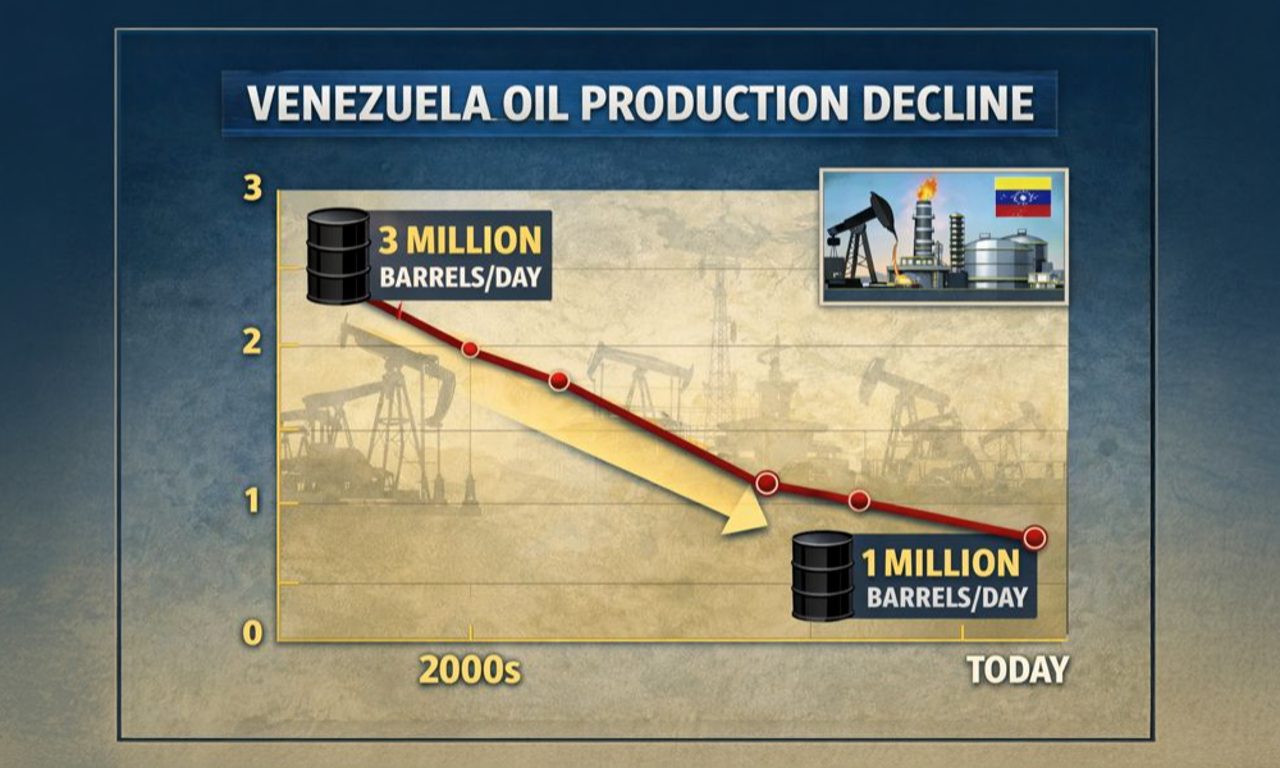
Despite possessing extraordinary underground wealth, Venezuela’s actual crude oil output remains surprisingly modest. As an OPEC member nation, the country currently produces approximately 1 million barrels daily—representing less than 1% of worldwide petroleum production, based on OPEC statistics.
This represents a dramatic decline from Venezuela’s peak performance in the early 2000s, when daily production exceeded 3 million barrels. The steep drop stems from inadequate capital investment combined with comprehensive U.S. economic sanctions that have constrained the industry for years. Today, political pressures have redirected Venezuelan crude primarily toward Chinese markets, according to Reuters reporting.
Global Production Comparison
To contextualize Venezuela’s output:
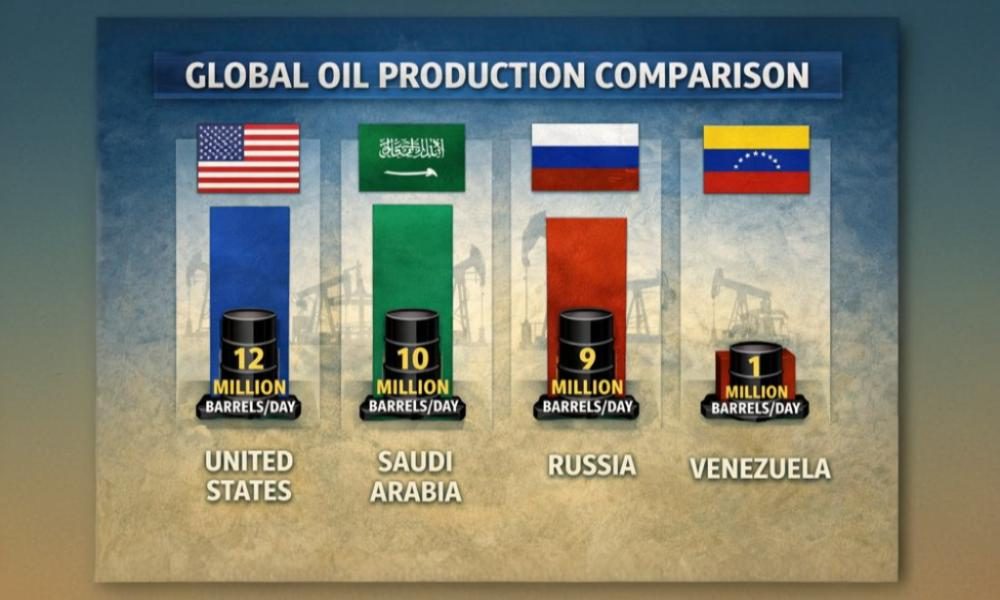
- United States: 13.5 million barrels per day (world leader)
- Saudi Arabia: 10-12 million barrels per day (second globally, top OPEC producer)
- Russia: 9.4 million barrels per day (third worldwide)
- Venezuela: 1 million barrels per day
The Infrastructure Challenge and Investment Requirements
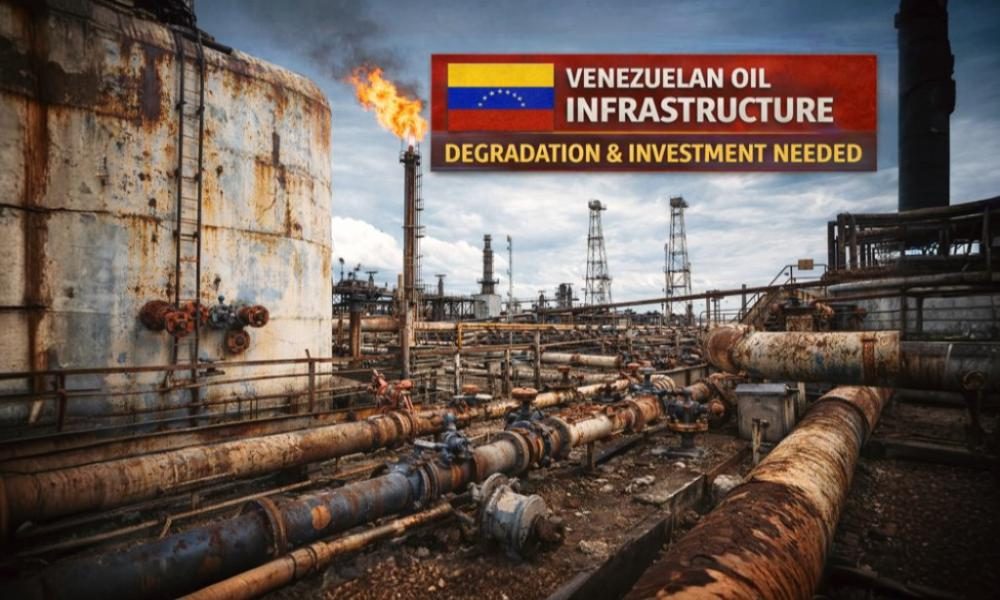
Francisco J. Monaldi, who directs Rice University’s Latin America energy program, projects that restoring Venezuela’s petroleum infrastructure would require minimum timeframes of ten years alongside capital investments exceeding $100 billion. Even with such massive commitments, reaching 4 million barrels daily production—above historical peaks—presents substantial challenges.
Neal Shearing, serving as group chief economist at Capital Economics, emphasized additional complications: “Venezuela’s oil infrastructure has also been heavily degraded by decades of underinvestment and much of Venezuela’s oil is extremely heavy, making it relatively costly to extract and process.”
World’s Largest Proven Petroleum Reserves
The contrast between Venezuela’s proven reserves and actual production creates a striking paradox. The nation holds an estimated 303 billion barrels in proven reserves—approximately 17% of total global petroleum supplies, according to OPEC data.
“The bottom line is that the size of the reserves is only paralleled by the ones in the Middle East, in the Persian Gulf and Canada’s reserves,” – Monaldi explained to CBS News.
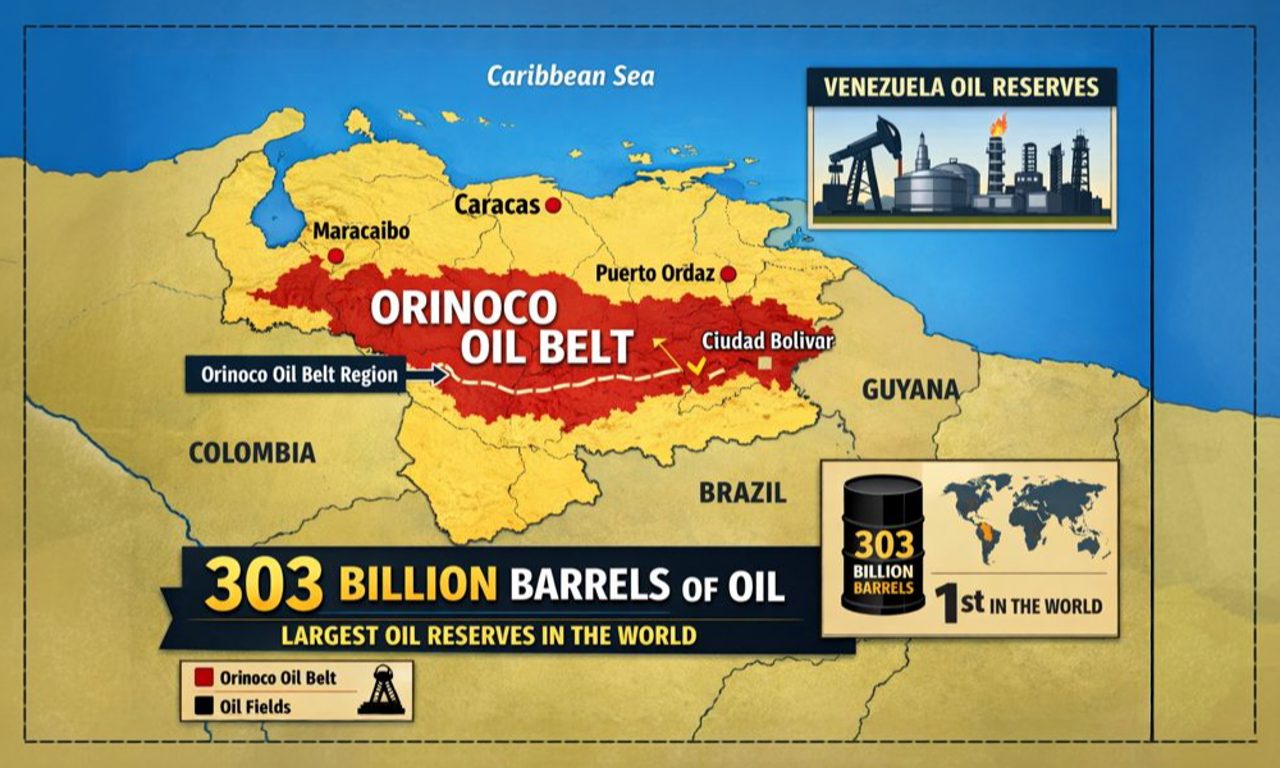
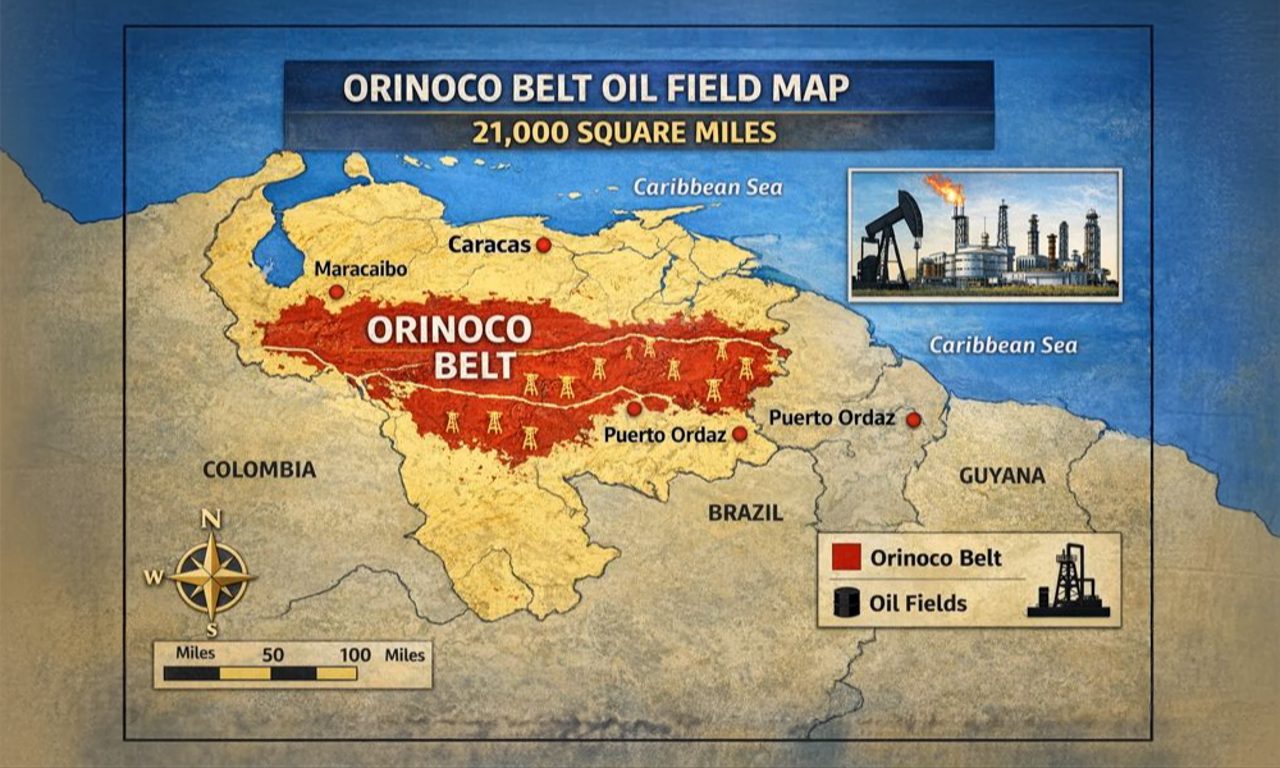
These holdings surpass even Saudi Arabia’s 267 billion barrels and dwarf U.S. reserves by more than sixfold. The majority of this untapped wealth lies within the Orinoco Belt, spanning roughly 21,000 square miles across Venezuela’s north-eastern territories.
American Oil Companies and Sanctions Framework
Current U.S. Corporate Presence
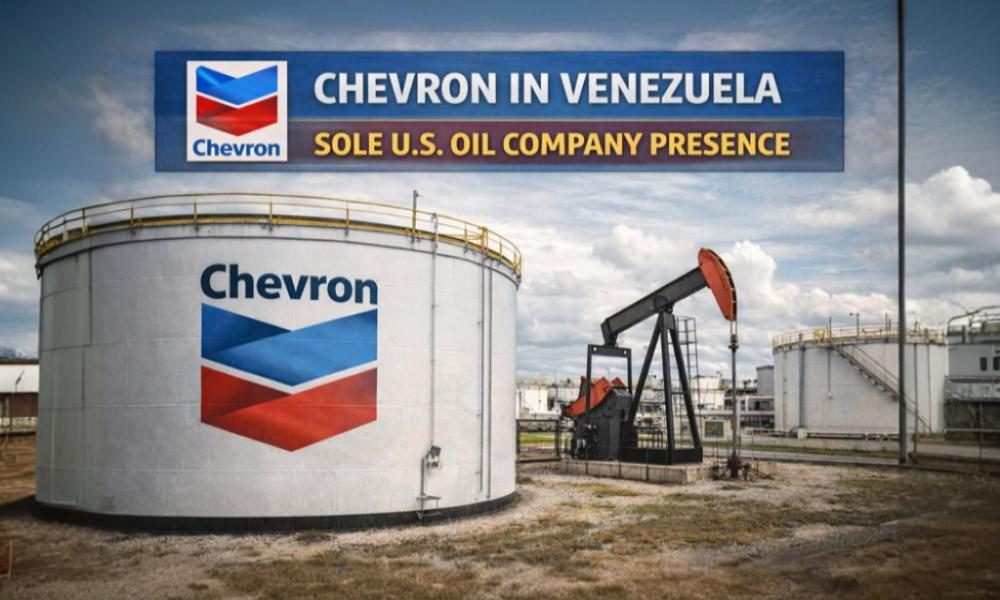
Houston-based Chevron stands as the sole American petroleum company maintaining Venezuelan operations, now controlling 25% of the country’s total oil production. “No other major Western player produces any significant amount,” Monaldi confirmed.
Major American energy corporations including Exxon Mobil and ConocoPhillips exited Venezuela following former President Hugo Chavez’s nationalization campaign that began in 2006, seizing private foreign petroleum assets.
Sanctions History and Current Status
Since 2005, multiple U.S. administrations have implemented increasingly restrictive sanctions targeting Venezuela, citing insufficient action against drug trafficking and terrorism, alongside alleged human rights violations.
The Biden administration escalated measures in 2019 by freezing assets belonging to Venezuela’s state petroleum company, Petróleos de Venezuela (PDVSA), while prohibiting American entities from conducting business with the enterprise.
Recent Trump administration actions targeted four companies and their associated tankers linked to Venezuelan petroleum operations. In December, Trump demanded a “total and complete blockade” on sanctioned vessels entering or departing Venezuela, leading to the seizure of two such ships.
Chevron maintains operations through a special waiver initially granted by Biden’s administration in 2022 during elevated inflation and energy costs, which Trump subsequently extended.
Potential Market Impact and Price Implications
Short-Term Effects on Oil Prices
Venezuela’s limited crude production capacity suggests minimal immediate disruption to global energy markets. Oil prices declined modestly during Saturday afternoon trading, according to FactSet data.
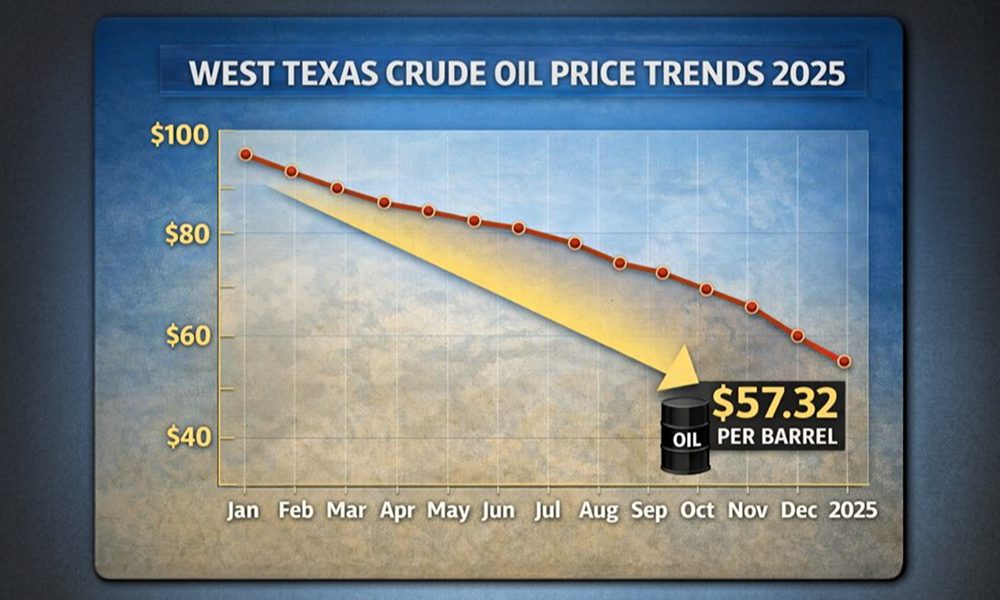
U.S. crude prices have experienced substantial declines throughout 2025, dropping approximately 20% and continuing a multi-year downward trend. Friday trading saw West Texas Crude settle at $57.32 per barrel, down from nearly $80 in January.
Several factors cushion against dramatic price volatility:
- Surging U.S. domestic crude production
- Strengthened Strategic Petroleum Reserve holdings
- Ample global supply relative to demand
“Global supply remains ample, Venezuelan production represents a small share of worldwide output and there’s no clear evidence yet of sustained disruption to physical flows,” stated Nigel Green, CEO of deVere Group investment advisory firm.
Wall Street Expectations
Financial analysts anticipate limited market disruption when trading resumes Monday morning.
“Investors have dealt with a series of ostensibly seismic geopolitical events for the last several years (Ukraine, Gaza, Iran, Libya, etc.), but none had a sustained impact on markets, and it’s unlikely the events in Venezuela will be any different,” explained Adam Crisafulli, head of Vital Knowledge investment advisory.
Global economic growth rates combined with current crude supply surpluses and adequate production capacity among key producers should maintain price stability, experts indicate.
Potential Price Reduction Scenario
Paradoxically, ending the U.S. blockade could temporarily reduce petroleum prices. “Venezuela was exporting about 800,000 barrels before the blockade. If those go back to the market, that eases pressures,” – Monaldi noted.
Extended Venezuelan production disruptions could affect specific energy sectors. The country produces crude varieties particularly suitable for diesel fuel manufacturing, widely utilized across multiple industries.
Removing Venezuelan petroleum inputs from global markets might elevate diesel costs domestically and contribute to inflationary pressures, according to Atlantic Council analysis—a nonpartisan organization focused on global political and economic issues.
“Limited price impact reflects where the barrels go and how much spare capacity exists. It doesn’t mean the risk is negligible,” Green cautioned.
Investment Opportunities and Private Sector Involvement
Financial Requirements for Production Growth
Boosting Venezuelan petroleum output necessitates private investment capital, given PDVSA’s financial collapse, Monaldi told CBS News. This situation creates potential openings for American energy companies to reestablish market presence.
With adequate investment, Venezuela’s existing infrastructure could facilitate relatively rapid production increases, he added.
Political and Commercial Factors
Investment decisions will heavily depend on political developments following military intervention and Maduro’s removal. Venezuela must offer attractive commercial terms, fiscal incentives, and contractual protections to attract American energy producers, according to Monaldi.
“Venezuela doesn’t have limits in terms of the resources,” he emphasized. “It’s about the politics.”
Companies Positioned for Re-entry
- Near-term beneficiary: Chevron stands to gain most significantly given its established Venezuelan operations and infrastructure, Monaldi explained.
- Potential returnees: ConocoPhillips and Exxon represent other American corporations that might resume Venezuelan business activities, he added.
Venezuela’s petroleum sector presents a compelling paradox—holding the world’s largest proven oil reserves while producing minimal crude output. Recent U.S. military action and stated infrastructure reconstruction goals have refocused attention on this untapped energy potential. However, realizing that potential requires massive capital investment, political stability, and attractive commercial frameworks that remain uncertain. While immediate global market impacts appear limited, long-term developments could significantly reshape international energy dynamics and create substantial opportunities for private sector involvement.
Venezuela Oil Reserves and Your Portfolio
Whether sanctions ease or military operations intensify, Venezuela oil reserves will remain a key variable in global energy pricing. Traders should monitor production data, infrastructure investment announcements, and diplomatic developments that could unlock — or further constrain — the world’s largest proven oil reserves.
For related analysis, read our breakdown of the 60-day rule’s impact on oil and crypto and how geopolitics drives investment opportunities.
For real-time oil production data and reserve estimates, see the U.S. Energy Information Administration’s Venezuela profile and OPEC’s official Venezuela data.