
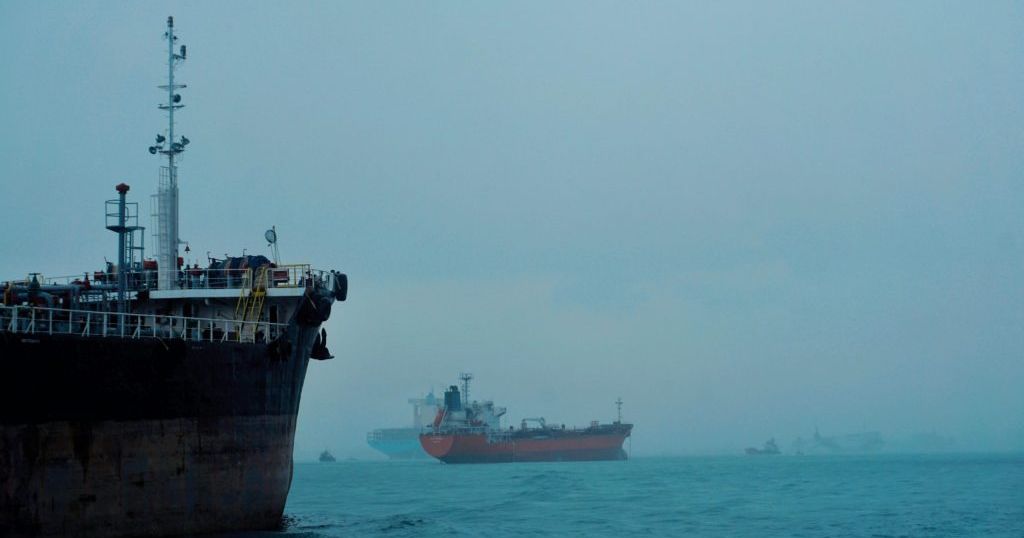
The United States and Iran are reportedly moving closer to a 60-day ceasefire extension that could significantly influence global oil prices, energy markets, and geopolitical stability. According to the Financial Times, the proposed framework would extend the current truce while laying the groundwork for broader U.S.-Iran nuclear negotiations, easing tensions around the strategically critical Strait of Hormuz.
The potential deal is closely watched by commodity traders, macro investors, and global financial markets, as developments in Middle East energy routes could affect oil supply dynamics, inflation trends, and Federal Reserve interest rate expectations.
Inside the Proposed U.S.-Iran Diplomatic Framework
The agreement, currently under review by U.S. President Donald Trump and senior advisers, is structured as a phased de-escalation roadmap.
According to reports, the proposed memorandum of understanding includes:
- Strait of Hormuz reopening: gradual restoration of maritime flow through a key global energy chokepoint
- Sanctions relief: conditional easing of economic restrictions on Iran
- Asset unfreezing: phased release of frozen Iranian overseas funds
- Nuclear materials talks: commitment to address Iran’s stockpile of highly enriched uranium
Iran’s foreign ministry spokesman said Tehran is finalizing the first phase of the agreement to pause active conflict, with a transition toward broader negotiations expected within a 30 to 60-day window.
A diplomat briefed on the talks said the deal “seems to be going in the right direction,” although Iranian officials also described the situation as simultaneously “very far and very close,” citing inconsistent U.S. positions.
High-Stakes Negotiations and Key Obstacles
A final decision on the draft agreement could come as early as Sunday. President Trump said he is “getting a lot closer” to a deal following high-level consultations with Gulf leaders and senior officials, including Vice President JD Vance and Secretary of Defense Pete Hegseth.
Despite progress, major disagreements remain between both sides.
Nuclear Negotiation Sticking Points
The core dispute centers on U.S. non-proliferation demands. Washington is insisting that Iran:
- surrender its entire enriched uranium stockpile
- permanently renounce nuclear weapons capabilities
- fully dismantle nuclear facilities at Natanz, Fordow, and Isfahan
These facilities were previously targeted by U.S. military strikes after joining Israel’s military conflict with Iran last June.
Military Pressure and Regional Tensions Remain
On the ground, tensions remain elevated despite diplomatic progress. The U.S. has temporarily paused renewed military strikes this week to allow room for negotiations, though underlying friction persists.
Iran’s Parliament Speaker Mohammad Baqer Qalibaf said the country’s armed forces have rebuilt capabilities lost after escalation in late February. Meanwhile, Iran’s top negotiator reiterated deep distrust of Washington, stating that Tehran will not compromise on its “legitimate rights.”
International mediators, including officials from Pakistan and Qatar, continue facilitating talks and maintaining contact with both Iranian representatives and U.S. envoy Steve Witkoff.
Financial Markets Focus on Oil Prices and Federal Reserve Outlook
For global markets, the implications extend far beyond diplomacy.
The fragile ceasefire, in place since April 8, has been repeatedly tested by localized skirmishes as both sides compete for strategic influence over the Strait of Hormuz, a vital route for global oil and gas shipments.
Ongoing instability has kept a geopolitical risk premium embedded in energy prices, supporting volatility in global oil markets.
Gulf states – including Saudi Arabia, Qatar, and the UAE – have urged the United States to avoid further escalation, warning of risks to regional infrastructure and global energy supply chains.