
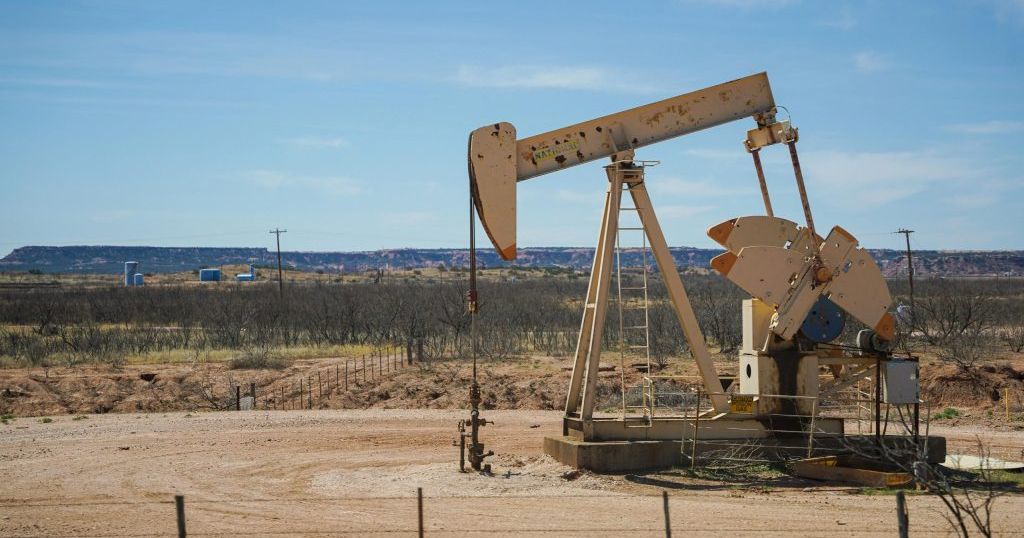
Oil prices surged, Asian stocks fell sharply, and investors closely monitored growing tensions around the Strait of Hormuz – one of the world’s most critical energy shipping routes.
U.S.-Iran Military Escalation Raises Market Tensions
The latest market downturn followed a U.S. military operation targeting a site inside Iran. A U.S. official said American forces struck a military facility believed to pose an immediate threat to U.S. troops and commercial shipping routes in the Strait of Hormuz.
During the operation, U.S. forces also reportedly intercepted and downed several Iranian drones.
In response, Iran’s Islamic Revolutionary Guard Corps (IRGC) announced through the state-affiliated Tasnim news agency that it had targeted an unspecified U.S. airbase at approximately 4:50 a.m. local time. The retaliatory action followed the initial U.S. strike near Bandar Abbas airport.
Regional tensions intensified further after Kuwait activated its national air defense systems on Thursday, citing “hostile missile and drone threats” against its armed forces.
Crude Oil Prices Surge 4% on Supply Disruption Fears
Energy markets reacted sharply to the escalation near the Strait of Hormuz, a key chokepoint for global oil supplies.
Crude futures extended gains as traders priced in higher geopolitical risk premiums:
- West Texas Intermediate (WTI) crude futures for July delivery jumped 4.03% to $92.25 per barrel after earlier trading showed prices at $91.71, up 3.42%
- Brent crude futures for July climbed 3.92% to $97.99 per barrel after briefly surging above $97.29 earlier in the session
Before the overnight strikes, analysts at Citi said oil markets had started stabilizing as investors reduced expectations of a worst-case supply disruption scenario amid signs of improving U.S.-Iran diplomacy.
However, the latest escalation quickly revived concerns over potential shipping disruptions and structural supply risks.
Asian Stocks Tumble While Wall Street Futures Hold Steady
The threat of an energy shock pressured Asian equity markets during Thursday trading, with technology and export-driven indexes posting the steepest declines.
South Korea
- Kospi index fell 0.53%
- Kosdaq index plunged 2.54%
Hong Kong and China
- Hang Seng index dropped 1.38%
- CSI 300 slipped 0.55% (after attack)
Japan
- Nikkei 225 declined 0.47%
- Topix index lost 0.41%
Australia and India
- Australia’s S&P/ASX 200 fell 1.43%
- India’s BSE Sensex dropped 0.19%
- Nifty 50 traded marginally lower
Despite the sell-off in Asia, U.S. stock futures remained relatively stable. S&P 500 futures and Nasdaq 100 futures both edged higher by less than 0.1%, while Dow Jones Industrial Average futures added 49 points, or 0.1%.
The resilience followed another record session on Wall Street Wednesday:
- S&P 500 rose 0.02% to close at 7,520.36
- Dow Jones Industrial Average gained 0.36% to 50,644.28
- Nasdaq Composite added 0.07% to finish at 26,674.73
Central Banks Monitor Inflation Risks
Beyond immediate market volatility, central banks are closely watching the inflationary impact of rising energy prices.
In a client note, Citi warned that prolonged uncertainty surrounding U.S.-Iran diplomacy is keeping policymakers on alert for potential “second-round effects,” where elevated oil prices begin feeding into broader consumer inflation.
If energy-driven inflation accelerates further, central banks may be forced to maintain tighter monetary policy for longer than markets currently expect.