
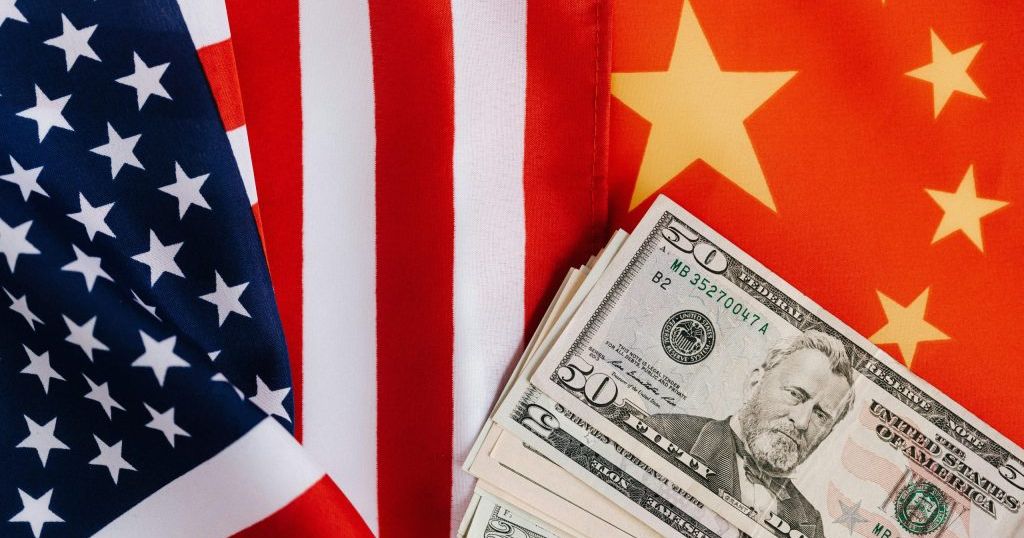
With the United States, China, and the European Union collectively accounting for roughly 60% of global GDP, markets are treating the summit as a potential turning point for global growth, AI competition, and investor sentiment.
For traders and institutions alike, the stakes are enormous: Chinese equities, the yuan, semiconductor supply chains, and the future of the AI race are all tied to the outcome of this high-level meeting.
From Trade Wars to an “Extended Truce”
After nearly nine years of volatile U.S.-China relations, analysts increasingly describe the current phase with one key word: stabilization.
Experts such as Graham Allison, Harvard professor and former assistant secretary of defense, argue that the so-called “G2 framework” is gradually re-emerging. Instead of operating purely as geopolitical rivals locked in a zero-sum conflict, Washington and Beijing appear to be searching for a more pragmatic balance.
The Trump administration has reportedly pushed for large-scale Chinese purchases of American goods as part of broader trade normalization efforts. Markets are now anticipating several potentially headline-grabbing announcements, including:
- A $1 Trillion Buy: Possible Chinese commitments to purchase American soybeans, beef, and energy products.
- Aviation Deals: Major Boeing aircraft orders from Chinese buyers.
- Tech Concessions: Expanded access to advanced semiconductors in exchange for Chinese cooperation in other strategic areas.
While investors remain cautious, even incremental progress could significantly improve market confidence after years of tariff disputes and supply-chain disruptions.
Nvidia H200 Approval Boosts Chinese AI Stocks
One of the most important market developments tied to the summit was the report that Washington has cleared sales of Nvidia’s H200 AI chips to major Chinese technology firms.
The companies expected to benefit include Alibaba, Tencent, ByteDance, and JD.com – some of the largest players in China’s AI and cloud-computing ecosystem.
According to Jiong Shao, China internet analyst at Barclays, computing power remains the “greatest bottleneck” in modern AI development.
“The secret weapon for U.S. AI players is access to Nvidia chips.”
By securing access to the H200 – Nvidia’s second-most powerful AI processor – Chinese technology companies gain critical infrastructure needed to remain competitive in the global AI race.
The development has already improved investor sentiment toward Chinese tech stocks. Recent earnings from Alibaba and Tencent have also pointed to accelerating demand for cloud services and AI-related products, reinforcing optimism across the sector.
Chinese Markets Show Diverging Performance
Despite improving sentiment, the broader market response has been mixed.
Many investors remain in a wait-and-see mode, while others are taking profits amid concerns that summit expectations may ultimately exceed long-term policy realities.
| Market Index | Year-to-Date Performance | Current Trend |
|---|---|---|
| CSI 300 (Mainland) | +5.5% | Strong performance in hardware and semiconductors |
| Hang Seng (Hong Kong) | +2.6% | Lagging due to e-commerce exposure |
| Hang Seng Tech | -8.5% | Experiencing a tactical post-summit rebound |
| ChiNext | Near record highs | Strong exposure to new energy and healthcare |
Analysts at Goldman Sachs and Bank J Safra Sarasin highlight an increasingly important divide within Chinese equities.
Mainland-listed A-shares – particularly companies tied to hardware, semiconductors, and AI infrastructure – continue to outperform. Meanwhile, many Hong Kong-listed internet firms still face pressure from weak Earnings Per Share (EPS) growth.
For a broader and more sustainable rally to emerge, investors are looking for stronger corporate earnings rather than geopolitical optimism alone.
Geopolitical Risks Still Threaten Stability
Although the summit has improved market sentiment, major geopolitical tensions remain unresolved.
One of the central themes discussed during the meeting was the so-called “Thucydides Trap” – the historical tendency for rising powers and dominant powers to drift toward conflict.
President Xi has publicly questioned whether China and the United States can avoid that outcome, but several major flashpoints continue to complicate the relationship.
Iran and the Middle East
Washington has reportedly urged Beijing to play a more active role in reducing tensions in the Middle East.
However, many analysts remain skeptical that China will significantly expand its geopolitical involvement, pointing to its historically cautious approach toward conflicts such as the war in Ukraine.
Taiwan and Export Controls
Taiwan and semiconductor export restrictions remain among the most sensitive issues in U.S.-China relations.
While these disputes are unlikely to be fully resolved during a single summit, both sides have signaled interest in building what officials describe as a “constructive relationship of strategic stability” over the coming years.
What the Trump-Xi Summit Means for Global Markets
As the global economy shifts from the unipolar structure of the post-Cold War era toward a more contested multipolar system, investors are increasingly searching for stability and predictability.
The Trump-Xi summit may not solve every geopolitical dispute, but it does signal a potential willingness from both countries to reduce escalation risks and stabilize critical global supply chains.
For the “G2” framework to function effectively, Washington and Beijing will likely need to move beyond repeated rounds of retaliatory tariffs and toward a more formal structure for economic cooperation.
Risks tied to corporate earnings, geopolitics, and export controls still remain. Nevertheless, the approval of Nvidia H200 sales – combined with the presence of major U.S. business leaders such as Elon Musk and Tim Cook in Beijing – suggests that the global technology industry continues to act as a bridge between the two superpowers.