
As tensions between the United States and Iran intensify, global markets are being hit from two directions at once: rising defense technology costs and renewed fears over oil supply disruptions in the Strait of Hormuz. Investors are now recalculating risks across both the energy and aerospace sectors as geopolitical uncertainty fuels volatility in crude prices and defense spending.
SpaceX Pricing Dispute Highlights Pentagon Dependence on Private Tech
A previously undisclosed dispute over satellite communications pricing has exposed the Pentagon’s growing dependence on private technology infrastructure. The issue emerged as SpaceX moves closer to a widely anticipated initial public offering (IPO), expected to become one of the largest corporate listings in history.
During the conflict, senior SpaceX executives reportedly pushed for a significant increase in pricing for Starlink network access used by the U.S. military. The military has been deploying “LUCAS” suicide drones – low-cost kamikaze systems similar to Iran’s Shahed drones – which rely heavily on satellite Wi-Fi connections for navigation and targeting.
Starlink Military Pricing Pressures Drone Warfare Costs
SpaceX argued that the drones’ operational demands matched its premium aviation subscription tier. Pentagon officials initially resisted, claiming the $25,000 monthly fee structure was intended for long-duration aircraft rather than disposable drones operating for only a few hours.
However, as the bombing campaign intensified after February 28, the Pentagon ultimately accepted the higher pricing model. The decision reportedly nearly doubled the acquisition cost of each drone unit.
Pentagon Concerns Grow Over SpaceX Market Leverage
Tensions also extended into humanitarian operations. Following a domestic crackdown in January that reportedly caused thousands of casualties, the United States smuggled more than 6,000 consumer Starlink terminals into Iran to help citizens bypass communications blackouts.
After Iranian jamming systems disrupted the terminals, Pentagon officials opened discussions with SpaceX regarding a direct-to-cell satellite service similar to 5G coverage. Defense officials were reportedly alarmed after SpaceX proposed a $500 million launch fee alongside a $100 million monthly operating cost.
Defense Tech Spending Surges Amid Middle East Conflict
Analysts say SpaceX holds unusual leverage compared to traditional defense contractors because most of its revenue comes from the commercial market rather than government contracts. According to SEC-related investor disclosures, roughly 80% of SpaceX revenue comes from commercial customers, while only about 20% is tied to the U.S. government.
With approximately 10,000 satellites in orbit – representing more than 60% of all orbital objects currently active – SpaceX continues to dominate rivals such as OneWeb and Amazon Leo.
Despite ongoing concerns, including last summer’s global Starlink outage that reportedly stranded unmanned Navy boats and the controversial 2022 Ukraine-related service shutdown, the Pentagon is still reviewing an additional purchase of more than 3,500 Starshield subscriptions.
Strait of Hormuz Tensions Trigger Oil Market Volatility
While defense technology valuations adjust to wartime demand, global energy markets are experiencing renewed turbulence. On Tuesday, Brent crude oil prices rose 2.5% to $98.47 per barrel as investors reacted to speculation surrounding a possible transit levy in the Strait of Hormuz.
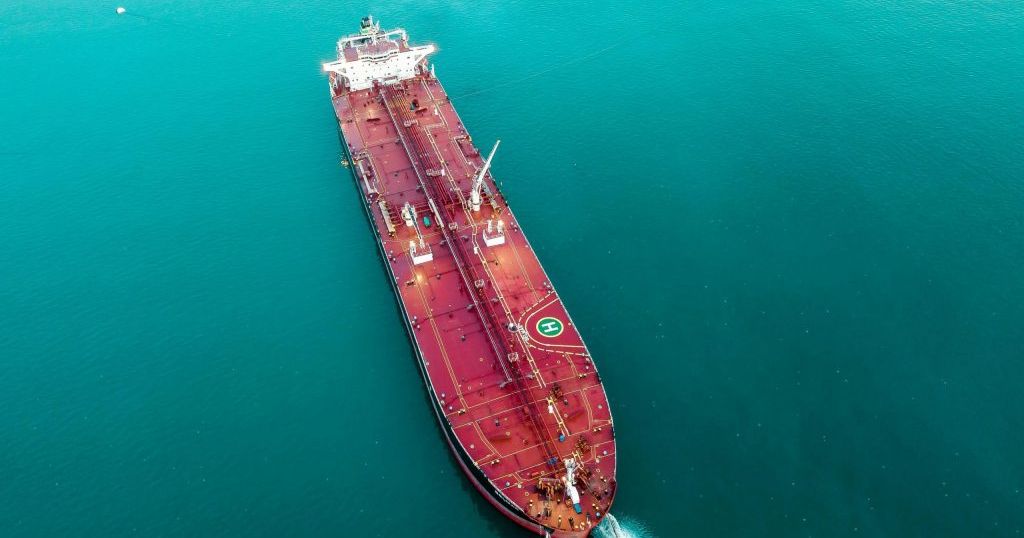
The strategic waterway handles roughly one-fifth of the world’s seaborne oil supply, making even minor disruptions highly sensitive for global markets.
Traders are struggling to interpret conflicting geopolitical signals. Over the weekend, President Donald Trump suggested a possible peace framework could emerge. At the same time, U.S. Central Command launched new “defensive strikes” on Tuesday, prompting retaliation threats from Iran’s Islamic Revolutionary Guard Corps.
Proposed Strait of Hormuz Transit Toll Raises Energy Concerns
Adding to market anxiety is speculation that Tehran and Oman could jointly regulate shipping traffic through the Strait of Hormuz under a future ceasefire arrangement.
The Proposed Levy
Market sources suggest the proposed “environmental fee” or transit toll could reach approximately $1.00 per barrel of crude oil moving through the Strait.
The Economic Impact
Although a $1.00 fee may appear limited in a market approaching $120 oil, analysts warn it would represent a major structural shift compared to the $55-per-barrel environment seen last December.
Under that scenario, either consumers would absorb higher fuel prices or exporters would be forced to cut deeper into production margins.
Global Energy Supply Recovery Faces Long-Term Bottlenecks
Even if negotiations between Washington and Tehran reopen the shipping channel immediately, analysts warn that restoring pre-war supply levels could take months.
Current estimates suggest maritime traffic through the Strait has fallen to only 10% of normal pre-war volume. Of the small number of vessels still crossing daily, reports indicate that only two are active crude or refined-product tankers.
Experts believe clearing the shipping backlog would require at least two months under optimistic conditions. A broader normalization of oil production across Qatar, Iraq, and parts of Saudi Arabia could ultimately take up to a full year.
Until supply chains stabilize, commodities traders are expected to remain cautious, leaving crude markets trapped in an extended period of geopolitical volatility.