
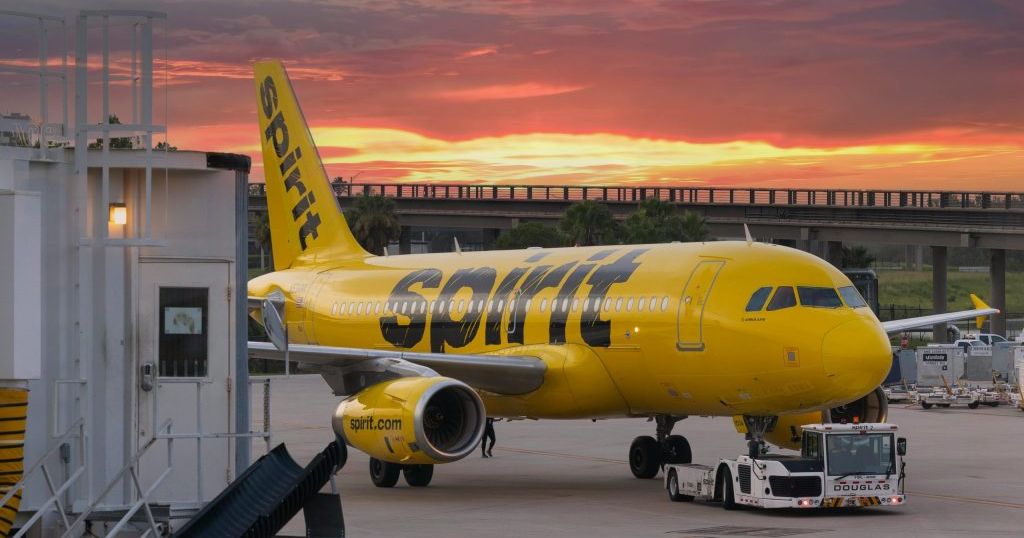
The era of ultra-low-cost travel in the United States came to an abrupt end early Saturday morning as Spirit Airlines officially ceased operations. The Florida-based carrier announced an immediate wind-down after failing to secure a $500 million federal lifeline from the Trump administration.
The shutdown concludes a turbulent period for the iconic budget airline, which had been navigating its second bankruptcy filing in less than a year. Despite last-minute negotiations, the company failed to reach an agreement with bondholders, sealing the fate of its signature “bright yellow planes” and the no-frills model it helped popularize in the U.S.
The Catalyst: Fuel Prices and Financial Instability
Although Spirit had faced long-term financial pressure – losing more than $2.5 billion since early 2020 – the final blow came from the energy market. CEO Dave Davis attributed the collapse to a “sudden and sustained rise in fuel prices” linked to recent conflicts in the Middle East.
Key factors behind the liquidation include:
- Surging Jet Fuel Costs: Prices doubled in some regions following the outbreak of the Iran war on February 28.
- Liquidity Crisis: The airline lacked the hundreds of millions in additional liquidity needed to maintain operations amid rising costs.
- Failed Restructuring: A March 2026 agreement with bondholders proved insufficient as economic conditions deteriorated.
The Failed Federal Rescue Deal
The Trump administration proposed a $500 million loan that would have given the U.S. government a 90% equity stake in the airline. However, the deal faced major resistance. Key bondholders, including Citadel and Ares Management, reportedly opposed the terms.
Officials also expressed concern about “putting good money after bad.” Transportation Secretary Sean Duffy noted the airline’s ongoing struggle to achieve profitability, while President Trump described the negotiations as a “tough deal,” ultimately blocked by lenders worried about repayment priority.
Impact on Employees and the Aviation Market
The shutdown has immediate and far-reaching consequences for both workers and the broader industry:
- Job Losses: Around 17,000 direct and indirect employees have been affected, including 2,000 pilots and 3,000 flight attendants.
- Market Share: As of February, Spirit held a 3.9% share of the U.S. domestic market, down from 5.1% the previous year.
- Consumer Pricing: Analysts warn that removing a major low-cost competitor could push airfares higher in affected markets.
Information for Stranded Passengers and Vendors
Spirit Airlines has canceled all flights effective immediately and advised passengers not to go to the airport. The company confirmed that automatic refunds will be issued for tickets purchased via credit or debit cards.
In response, several major carriers have introduced “rescue fares”:
- Southwest Airlines: Discounted flights on overlapping routes ranging from $200 to $400 depending on distance.
- United Airlines: Fare caps for affected passengers, with most prices set at $199.
- American Airlines & JetBlue: Similar pricing caps and plans to expand capacity at former Spirit hubs.
A Legacy of Accessibility
Founded in 1983 as Charter One and rebranded in 1992, Spirit Airlines reshaped the industry in 2007 by introducing its “unbundled” pricing model. While often criticized for its fees, the airline played a key role in making air travel more affordable for millions of Americans.
As the company enters the final stage of liquidation, the aviation industry is preparing for a future without one of its most prominent low-cost pioneers. Outstanding claims from vendors and creditors will now be handled through the bankruptcy court process in New York.