
As geopolitical tensions shook global energy markets in early 2026, Europe’s biggest oil companies discovered that the real profits were no longer coming only from the oil fields – but from the trading floors.
Big Oil’s Strategic Pivot: How Trading Desks Became the Secret Weapon in Q1 Profits
The first quarter of 2026 has revealed a widening gap in the strategies of global energy titans. While the industry has traditionally been judged by its ability to pull crude from the ground, the latest earnings season highlights a “quiet rise” in a different sector: commodity trading.
As geopolitical instability surged, Europe’s oil supermajors – TotalEnergies, Shell, and BP – leveraged their specialized trading divisions to transform market chaos into record-breaking profits, leaving many of their U.S. counterparts trailing behind.
How Oil Trading Desks Are Reshaping Big Oil Profits
The Mechanics of the Modern Trading Desk
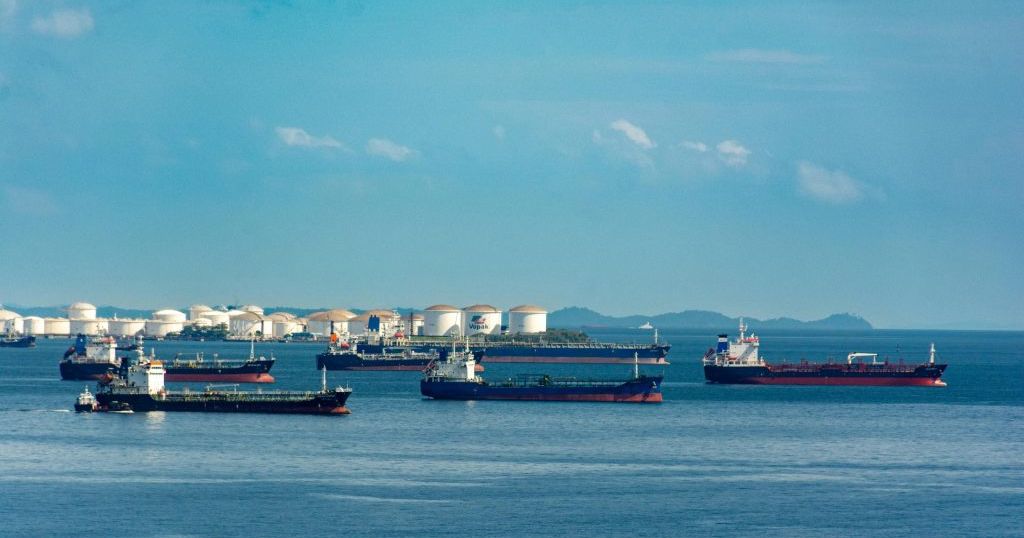
Oil trading desks are not merely offices for financial speculation; they are integrated hubs that manage the physical flow of energy. These units buy, sell, and transport physical oil and gas while simultaneously hedging against price risks.
According to Maurizio Carulli, equity research analyst at Quilter Cheviot, this is a “proper and long-term activity.” These majors utilize their own fleets of ships, storage terminals, and refineries to move hydrocarbons globally, allowing them to capture margins that pure drillers cannot access.
Why Volatility Creates Trading Opportunities
The primary catalyst for this quarter’s success was the extreme volatility triggered by the U.S.-Iran conflict. Specifically, March saw severe price swings as energy participants monitored threats to the Strait of Hormuz, a vital artery for global oil transit.
While high prices benefit all producers, volatility is where trading desks shine.
Shell, BP, and TotalEnergies Post Strong Q1 2026 Earnings
The results speak for themselves:
- Shell reported adjusted earnings of $6.92 billion, significantly up from $5.58 billion a year ago. CFO Sinead Gorman attributed this to “significantly higher trading and optimization contributions.”
- BP doubled its profits from the same period in 2025, reaching $3.2 billion. The company described its oil trading performance as “exceptional.”
- TotalEnergies CEO Patrick Pouyanné reported a 29% jump in quarterly net income to $5.4 billion, citing a “very strong performance” in petroleum product trading during the height of the March price spikes.
Analysts estimate these three European firms earned an additional $3.3 billion to $4.75 billion solely from trading activities compared to the previous quarter.
How European Oil Majors Outperformed U.S. Rivals
The latest earnings season highlighted the strategic advantage European integrated oil firms possess through their large-scale commodity trading operations. While U.S. producers remain heavily tied to upstream production, European majors have increasingly relied on trading and optimization businesses to capitalize on market dislocations created by geopolitical instability and supply chain disruptions.
Geopolitical Risks and Market Pressure
The Strait of Hormuz and Global Supply Concerns
The reliance on trading comes at a time of deep uncertainty. Hopes for a swift resolution to the U.S.-Iran conflict were recently dashed. Donald Trump characterized the current ceasefire as being “on life support,” following an “unacceptable” counter-proposal from Tehran.
This geopolitical friction has sent ripples through European equity markets.
Inflation, Equity Markets, and Investor Sentiment
- The FTSE 100 and DAX opened lower as peace prospects faded.
- Domestic instability in the U.K. is compounding market jitters, as over 70 lawmakers have called for Prime Minister Keir Starmer’s resignation following a dismal performance in local elections.
- With April’s consumer price index (CPI) expected to rise by 3.7%, traders are wary that high energy costs will continue to fuel broader inflation.
The Hidden Risks Behind Trading Profits
Debt, Cash Flow, and Hedging Exposure
While the headline profit numbers are impressive, experts warn of a “double-edged sword.” To maintain these massive trading positions, energy giants have had to navigate complex financial waters.
Clark Williams-Derry, an analyst at Institute for Energy Economics and Financial Analysis, pointed out that the top five oil supermajors saw their cash flow from operations drop to the lowest levels since the COVID-19 pandemic.
To bridge the gap and fund these high-stakes trades, companies have:
- Taken on significant short-term debt
- Drawn down their cash reserves
- Increased their exposure to hedging-related volatility
Can Trading Desks Sustain Long-Term Growth?
The Q1 results underscore a permanent shift in the business model of European integrated oil firms. By maintaining large-scale trading organizations – BP alone employs over 2,000 people in this sector – they have created a competitive advantage that thrives on the very instability that hurts other sectors.
However, as Alastair Syme of Citi warns, this model is under constant scrutiny. If these firms continue to report massive trading windfalls while consumers face “shortages at the pump” or record-high prices, the political pressure may eventually outweigh the financial gains.
For now, Big Oil’s trading desks remain the engine driving their survival in an era of global conflict.