
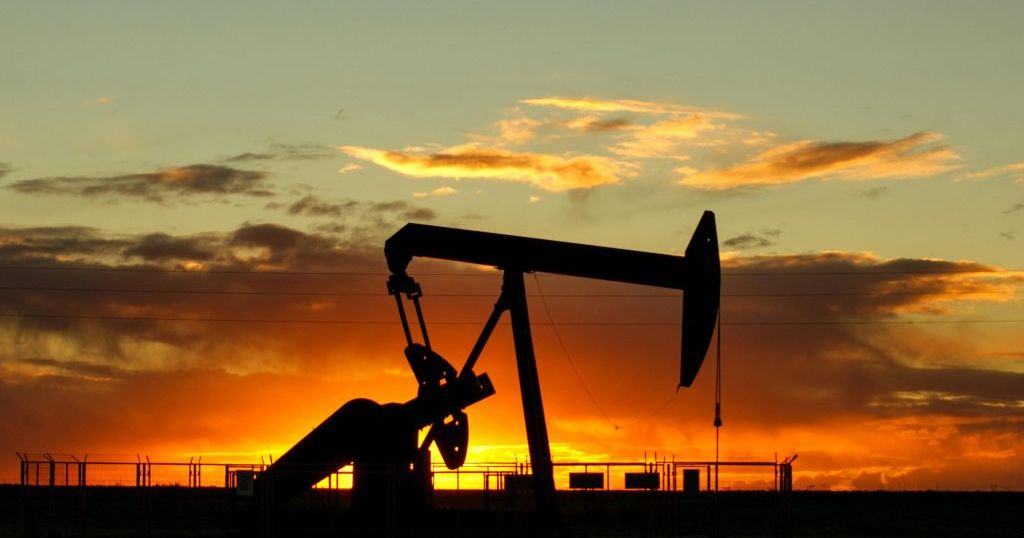
A sudden geopolitical pivot sent shockwaves through global markets on Wednesday, triggering a sharp sell-off in oil and igniting a powerful “peace rally” across equities.
The global energy landscape shifted dramatically as oil prices fell sharply following reports that the United States and Iran are nearing a diplomatic breakthrough.
Investors rapidly moved from a “war footing” to a “peace rally” after President Donald Trump announced a sudden tactical shift in the Persian Gulf, signaling that a deal to end current hostilities may be imminent.
Market Reaction: Crude Benchmarks Enter a Tailspin
Financial markets reacted with immediate volatility to news of a potential ceasefire. Both international and domestic crude benchmarks experienced significant sell-offs:
- Brent Crude: International futures for July delivery dropped 5.8% to $103.51 per barrel.
- West Texas Intermediate (WTI): U.S. futures fell even further, shedding 6.4% to $95.76 per barrel.
The decline in energy prices boosted stock futures, as investors bet that de-escalation would reduce the “demand destruction” caused by previously surging fuel costs.
The Pivot: “Project Freedom” on Hold
Just one day after launching a major military operation to secure the Strait of Hormuz, President Trump announced a temporary halt to the mission known as “Project Freedom.”
The initiative had been designed as a high-stakes rescue operation. U.S. Central Command (CENTCOM) mobilized a significant force, including:
- Guided-missile destroyers
- Over 100 land- and sea-based aircraft
- Multi-domain unmanned platforms
- 15,000 service members tasked with guiding commercial vessels
In a post on Truth Social, President Trump explained the sudden shift, citing “Great Progress” toward a “Complete and Final Agreement” with Tehran. He stated that the operation would be paused to allow diplomats the necessary time to finalize and sign a peace framework.
A Humanitarian Crisis in the Persian Gulf
The urgency of the situation was underscored by Secretary of State Marco Rubio, who described conditions for civilian sailors as a matter of “life or death.”
According to the administration, approximately 23,000 seafarers from 87 countries have been effectively stranded and “left for dead” due to Iran’s de facto blockade of the Strait.
Rubio reported that at least 10 sailors have already died as a result of starvation and isolation caused by the blockade.
“Nations from around the world are now at risk, not just of losing their cargo, but the lives of their own citizens,” Rubio stated, emphasizing that these vessels remain “sitting ducks” amid the conflict.
Geopolitical Friction and the “One-Page” Deal
Despite the optimistic tone from the White House, tensions in the region remain extremely high.
Just prior to the operational pause, hostilities had intensified:
- The UAE reported attacks involving ballistic missiles and drones launched from Iran (Tuesday)
- A South Korean vessel caught fire in the Strait – an incident President Trump attributed to Iranian aggression
- CENTCOM Commander Adm. Brad Cooper confirmed that the IRGC had targeted U.S.-protected ships using cruise missiles and small boats
Meanwhile, Axios reports that U.S. officials believe they are close to finalizing a “one-page memorandum of understanding” that would establish a framework for ending the conflict and transitioning to broader nuclear negotiations.
The Road to Normalization: A Long Way Ahead
While diplomatic progress has eased the “fear premium” in oil prices, experts caution that global supply chains will not recover immediately.
Nicolo Bocchin, co-head of fixed income at Azimut Group, noted that although the developments are positive, the disruption to trade flows remains significant.
Even if the Strait reopens immediately, it could take “weeks and weeks” for maritime traffic and global shipping operations to return to normal levels.
For now, the world remains focused on the Persian Gulf. If the agreement is finalized, it could eliminate one of the most serious threats to global energy security in recent history. If negotiations collapse, the “Project Freedom” fleet stands ready to resume operations.