
A fragile ceasefire is on the brink of collapse as missile strikes, naval clashes, and rising economic pressure converge in the Persian Gulf – raising the risk of a broader regional escalation.
The ceasefire established in early April is now under growing strain, as recent military exchanges highlight how quickly the situation is deteriorating.
A Renewed Flashpoint: UAE Under Fire
The ceasefire between the United States and Iran, which came into effect on April 8, is showing clear signs of pressure.
On Tuesday, the United Arab Emirates reported a coordinated aerial assault involving ballistic missiles, cruise missiles, and drone swarms. According to the UAE Ministry of Defense, air defense systems intercepted the majority of incoming threats, including 12 ballistic missiles and four drones.
Despite these interceptions, three Indian nationals were reported injured.
In response to the attack, the UAE imposed a week-long restriction on its airspace – a move likely to disrupt international aviation and logistics flows through key hubs such as Abu Dhabi and Dubai.
Rising Tensions at Sea
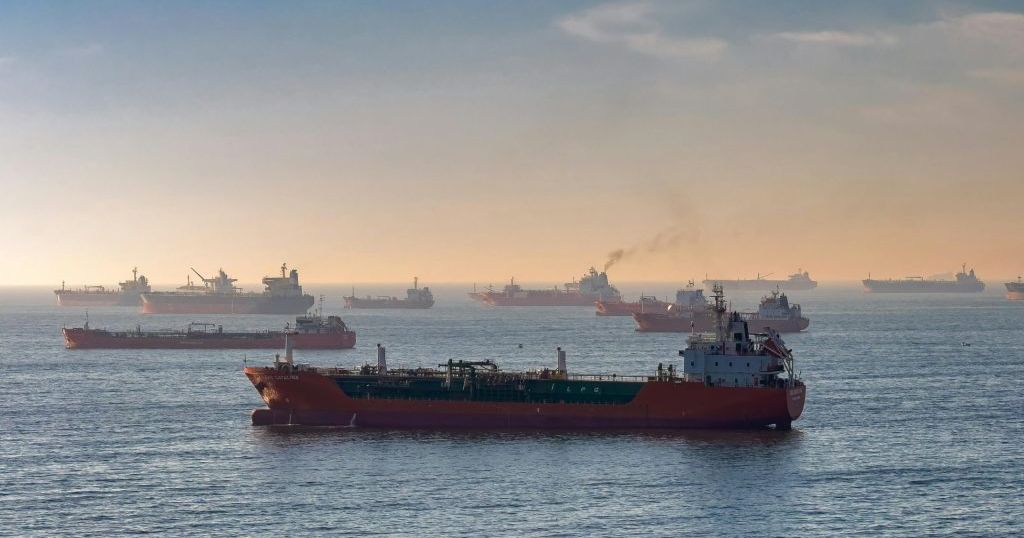
The escalation is no longer limited to aerial attacks. The Strait of Hormuz – through which a significant portion of global energy supplies transit – is increasingly becoming a zone of direct confrontation.
U.S. Central Command confirmed that American forces destroyed six Iranian boats accused of attempting to interfere with commercial shipping.
This incident followed President Donald Trump’s announcement of “Project Freedom,” an initiative aimed at ensuring safe passage for commercial vessels and countering what he described as Iran’s de facto blockade.
In a statement to Fox News, Trump warned that continued attacks on U.S.-protected shipping would trigger a severe response. He also referenced a recent strike on a South Korean cargo vessel as a key escalation point.
Economic Implications Begin to Surface
Geopolitical developments are already beginning to influence global economic expectations.
Although market reactions have so far remained relatively muted, underlying pressures – particularly in energy markets – are building.
The Reserve Bank of Australia (RBA) raised its policy rate to 4.35%, marking its highest level since late 2024. The central bank cited sharply higher fuel and commodity prices linked to Middle East tensions as a contributing factor to persistent inflation.
This indicates that even without immediate market volatility, the longer-term inflationary impact of energy disruptions remains a concern for policymakers.
Corporate Signals: Resilience Meets Caution
Amid this uncertainty, corporate earnings are sending mixed signals about the health of the global economy.
In the banking sector, UniCredit reported strong results, with net profit rising 16% and revenue increasing by 5%, signaling continued resilience in European banking activity.
HSBC, however, fell short of its pre-tax profit expectations, citing higher projected credit losses and impairment charges. This may reflect growing caution regarding borrower stability in an increasingly uncertain macroeconomic environment, although the bank maintains confidence in its medium-term targets.
Meanwhile, U.S. technology and media companies have demonstrated notable strength despite geopolitical risks. Palantir posted 85% revenue growth – its fastest since its 2020 public listing.
Pinterest shares rose more than 15% following better-than-expected results and optimistic guidance. Paramount also exceeded both revenue and earnings forecasts, supported by strong performance in its streaming business.
A Fragile Balance
The convergence of rising geopolitical tensions and elevated interest rates is creating a complex environment for investors.
Initiatives such as “Project Freedom” aim to stabilize critical trade routes like the Strait of Hormuz. However, any sustained disruption could have significant consequences, particularly for global energy prices.
For now, markets appear to be balancing strong corporate performance – especially in the technology sector – against the growing risk that the ceasefire in the Middle East may not hold.